


×
Labels
GL
Good Label
VSSL
Very slightly stained label
SL
Stained label
VSDL
Very slightly damaged label
SDL
Slightly damaged label
DL
Damaged label
VDL
Very damaged label
×


Bottles from Bordeaux
The terms below are indicative of the fill levels:
NECK
All levels above bn. Good level for wines of all ages
BN
Base neck. Good level for wines of all ages
VTS
Very top shoulder. Good level for wines >20 years old
TS
Top shoulder . Good level for wines >30 years old
US
Upper shoulder. Good level for wines > 40 years old
MID
Mid shoulder. Level for aged wines > 50 years old. Quality cannot be guaranteed
LOW
Low shoulder. Level for very aged wines >70 years old. Quality cannot be guaranteed
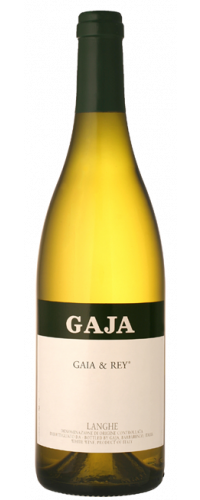
Gaja Gaia & Rey 2012
€120,00 incl BTW: €145,20
Uitverkocht
Mail mij zodra deze wijn weer beschikbaar is
Specificaties
| Country | |
|---|---|
| Region | |
| Sub Region | 2791 |
| Bottling | Estate Bottled |
| Type of Wine | White wine |
| Vintage | |
| Bottle size | 0.75 L |
| Rating Scale | 91-95 |
| Rating | 92 |
| Reviewer | Average |
Label |
gl |
| Level |
neck |
The winery’s historic Gaia & Rey Chardonnay is a wine that not only reshaped the legacy of the house itself, but also redefined Piedmont as one of the truly great winemaking regions of the world. Named after Lucia and Angelo Gaja’s daughter, Gaia Gaja, and Angelo Gaja’s grandmother Clotilde Rey (the family’s great matriarch and one of its most forward-thinking visionaries), Gaia & Rey was first bottled in 1983 and released the following year.
With this historic bottling, Angelo Gaja showed the world that exceptional white wines could be produced in the Langhe Hills, where red wines had been produced almost exclusively before. He also delivered to the world what is now considered one of the greatest white wines of Europe, a truly remarkable accomplishment in a country where red grapes have historically dominated the realm of fine wine. The 2017 vintage proves that great quality sometimes comes from scarcity. Three days of frost at the end of April set back the crop size by 10 percent, then high heat in summer and lack of rainfall presented challenges in managing the vineyards. The good news is that with strict selection and our no-compromise approach, the fruit harvested was healthy and excellent white wines were the result, despite the drop in production.